🔮 Naravni mineral Serpentin: Kamen miru, neodvisnosti in globoke čustvene stabilnosti
Dobrodošli v čarobnem svetu serpentina – enega najbolj vizualno osupljivih, elegantnih in energijsko bogatih mineralov na zemlji. Serpentin ne predstavlja zgolj enega poldragega kamna, temveč spada v priznano skupino hidratiziranih magnezijevih silikatov, ki združuje do 20 različnih tesno povezanih mineralov. Ti s svojo prisotnostjo tvorijo osupljiv del zemeljske skorje, že tisočletja pa navdušujejo ljudi s svojo čudovito, kačje zeleno, rumeno-zeleno ali rjavo-zeleno barvo.
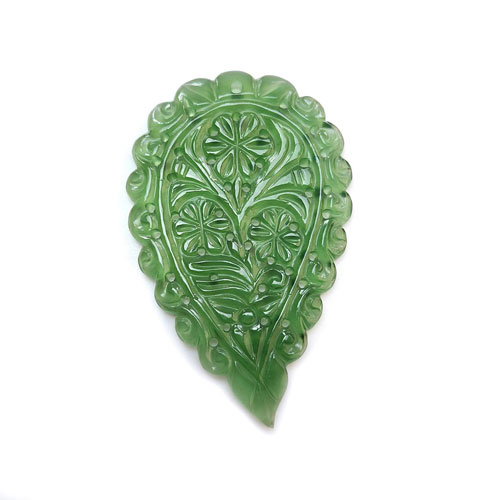
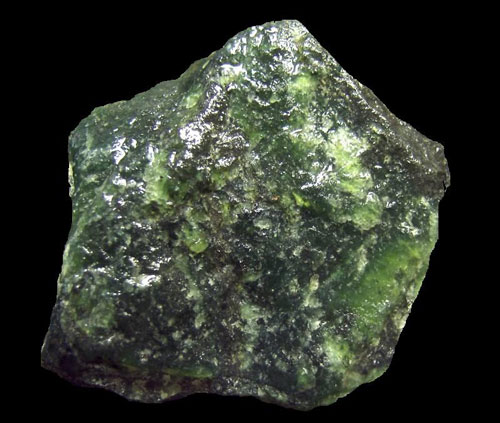
Vsak kos serpentina v sebi skriva neponovljivo naravno globino, saj se kot metamorfna sprememba peridota in piroksena skoraj nikoli ne pojavi povsem enoličen, temveč ustvarja unikatne žilaste in pikčaste vzorce, ki močno spominjajo na teksturo kačje kože. Zaradi svoje prelepe barve in voskaste teksture se ga izjemno pogosto zamenjuje z žadom. Če želite v svoje življenje privabiti več harmonije, odpreti svojo neodvisnost in najti globok notranji mir pred vsakodnevnim stresom ter negativnostjo, je serpentin popolna izbira za vas.
👉 PREGLEJTE NAŠO PONUDBO IZDELKOV IZ SERPENTINA
✨ Metafizični pomen in energijski vpliv Serpentina
V svetu ezoterike in kristaloterapije serpentin velja za močan kamen za umirjanje čustev, uravnavanje duševnega stanja in prebujanje višje modrosti.
Njegova nežna, a prodorna frekvenca vam pomaga najti čustveno stabilnost, učinkovito blaži stres, živčnost, napetost in strah ter odpira vrata kreativni inspiraciji, neodvisnosti in polnemu zaupanju. Prinaša globok notranji mir in uspešno čisti ter uravnoveša človekovo avro. Zaradi svoje močne pomirjevalne energije deluje kot neprebojen ščit pred negativno energijo in težkimi podzavestnimi nihanji razpoloženja.
Skozi geološko prizmo serpentin pozna dve osnovni agregatni strukturi: krizotil in antigorit. Ker so nekateri fini vlaknati krizotili podvrsta azbesta, ki je zdravju škodljiv, se v draguljarstvu in za izdelavo nakita varno uporablja izključno kakovostna in trdna oblika serpentina – antigorit, znan kot »plemeniti ali dragoceni serpentin«. Znotraj te čudovite družine lahko preprosto poiščete svojo frekvenco:
🔮 Vodnik po različicah serpentina: Poiščite svojo frekvenco
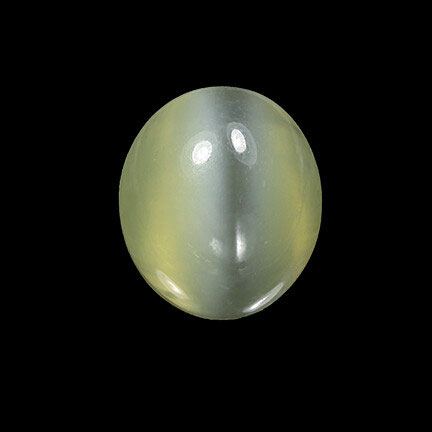
🌈 Satalit in žilasti Serpentin (Kamen intuicije in vizij):
Ta prečudovita mineralna mešanica vas bo očarala s svojimi drsečimi svetlobnimi odsevi, saj vlaknate oblike (satalit) pogosto pokažejo čudovit in mističen efekt mačjega očesa. Prinaša vrhunsko mentalno jasnost, širi zavedanje, krepi vašo intuicijo ter deluje kot izjemno močna podpora med meditacijo in premagovanjem skritih strahov.
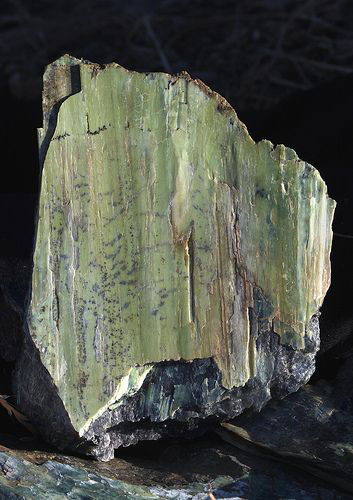
🤍 Plemeniti Antigorit in Verde-Antik (Kamen preobrazbe in obnavljanja):
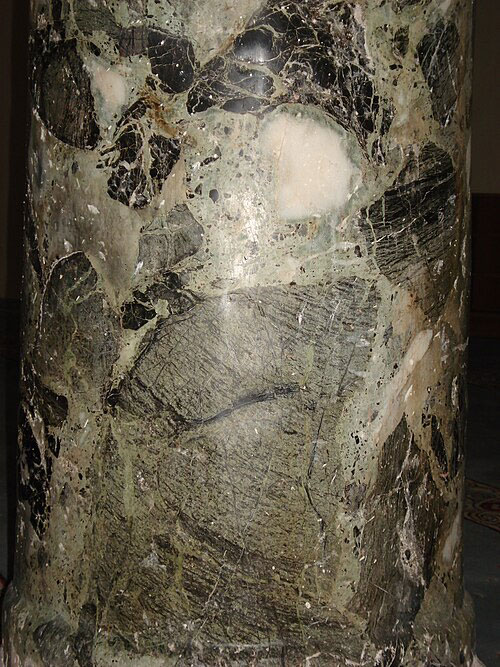
Močna energijska kombinacija, ki vključuje dragoceni oljno-zeleni antigorit ali temno zeleno različico z belimi žilami kalcita (Verde-Antik). Deluje kot odličen spodbujevalec celične regeneracije in čustvenega celjenja, hkrati pa energijsko podpira razstrupljanje telesa ter uspešno raztaplja nakopičeno jezo in stres.
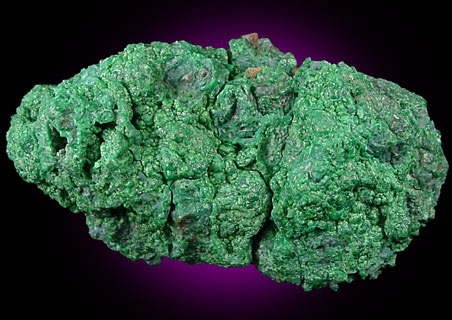
🍑 Retinalit in Garnierit (Kamen ustvarjalnosti in samozavesti):
Čudovite variacije, prepredene z voskasto rumenim sijajem (retinalit) ali z nikljem bogatimi živahnimi zelenimi toni (garnierit). Te mešanice nežno uravnovešajo vašo komunikacijo, pomagajo raztapljati globoko skrite tesnobe, drastično dvigujejo samozavest, spodbujajo učenje ter prebujajo pristno življenjsko radost in toleranco.
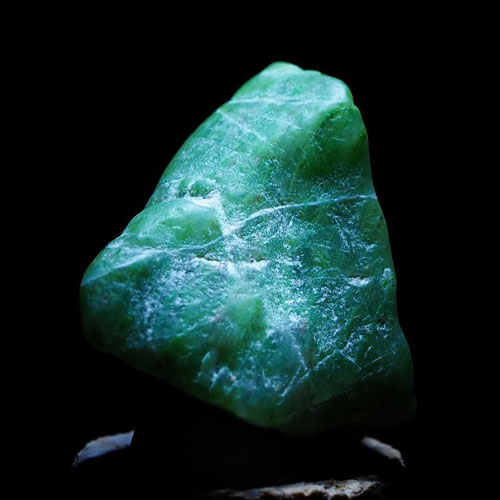
🟢Bovenit in masivni Serpentinit (Kamen mistike in dolgotrajne stabilnosti):
Posebna, izjemno gosta in cenjena različica s finimi vlakni (bovenit) ali celotna kamnina serpentinit, ki vsebuje sledove olivna, magnetita in dolomita. V vaše življenje prinaša dolgotrajno stabilnost, pomaga presekati pretekle energijske blokade, trdno umirja um in vliva močan občutek varnosti ter neprebojne zaščite.
🔨 Unikatni nakit in obdelava po vaši meri
V spletni trgovini Moirai Design nakit iz čudovitega plemenitega serpentina (antigorita) ustvarjamo ročno in z ljubeznijo že od leta 1999. Leta 2017 smo ponudbo nadgradili z lastno delavnico za rezanje, brušenje, poliranje in vrtanje kamnov.
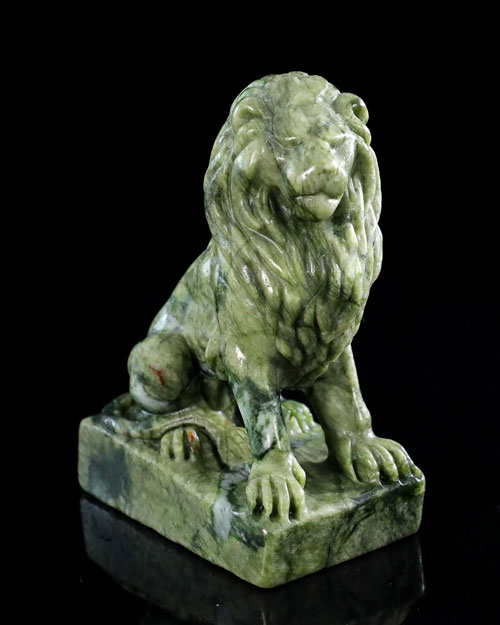
Ker se strogo izogibamo masovnim polizdelkom, je vsak naš obesek, uhan ali zapestnica iz serpentina neponovljiv unikat, ki ga v delavnici skrbno izpilimo, da v polni meri zasijejo njegovi čarobni kačje zeleni naravni vzorci in svilnat lesk.
Imate doma svoj surov plemeniti serpentin ali mineral, ki bi ga želeli nositi kot nakit? V naši delavnici vam ga z veseljem strokovno in varno prevrtamo.
👉 Želite unikatni nakit po naročilu? Pišite nam na info@moirai.si
🧼 Nega in shranjevanje vašega Serpentina
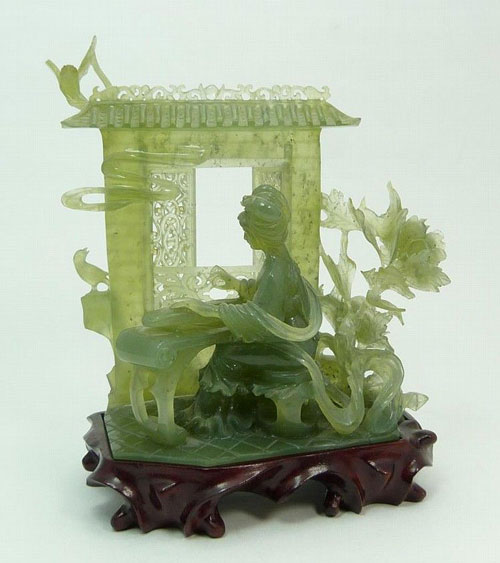
Serpentin je precej mehak, nežen in krhek mineral s trdoto med 2.5 in 5.5 po Mohsovi lestvici. Izjemno je občutljiv na kisline, zato se morate strogo izogibati vsem ostrim gospodinjskim kemikalijam, belilom in čistilom, saj lahko trajno poškodujejo površino kamna. Kot pri večini drugih dragih kamnov uporaba ultrazvočnih čistilcev in parnikov ni priporočljiva. Za čiščenje preprosto uporabite blago milnico in mehko krpo, pri čemer bodite povsem prepričani, da kamen izjemno dobro sperete, da odstranite vse ostanke milnice.
Shranjevanje nakita iz kamnov in same kamne je najbolje dati v škatlo prevlečeno s tkanino ali pa jih zavijemo v krpico ločeno od ostalih, s čimer zanesljivo preprečimo mehanske poškodbe in morebitne praske. Priporočljivo je, da nakita ne nosite med večjimi fizičnimi aktivnostmi, kot so telovadba ali šport, ter se izogibate pršenju parfumov in lakov za lase direktno po njem.
🌐 Uskladitev s čakrami: Kako serpentin uravnovesi vaše telo?
Glede na svoje edinstvene kačje prelive barv in visoko energijsko frekvenco posamezne različice serpentina močno vplivajo na naslednje energijske centre (čakre):
🔴 Korenska čakra (Muladhara): Temnejše različice in masivni serpentinit. Nudijo trdno in zanesljivo prizemljitev v najbolj zahtevnih trenutkih, krepijo imunski sistem, fizično vitalnost ter nas močno in stabilno povezujejo z zemeljsko zaščitno energijo.
🧡 Sakralna čakra (Svadhishthana): Rjavkasti in toplejši odtenki serpentina. Prebujajo življenjsko radost, kreativno energijo in vitalnost. Izjemno dobro delujejo na uravnavanje menstrualnih bolečin, spodbujajo delovanje spolnih organov ter uspešno raztapljajo podzavestne energijske krče.
🟡 Solarni pleksus (Manipura): Voskastorumeni retinalit in svetlejše različice. Odlično delujejo na celoten prebavni trakt, želodec in žolč. Izjemno učinkovito pomagajo uravnavati raven krvnega sladkorja (hipoglikemija in diabetes), lajšajo stres in živčnost ter v vaš vsakdan prinašajo neodvisnost in samozavest.
🟢 Srčna čakra (Anahata): Plemeniti zeleni antigorit, bovenit in garnierit. To je primarni in najmočnejši center delovanja serpentina. Deluje kot izjemen balzam za vaše srce, žilni sistem, pljuča in ledvice. Iz uma, srca in celotne avre v polni meri izbriše zamere, napetost in negativnost, učinkovito podpira celično regeneracijo in odpravlja kožne ekceme, srcu pa prinaša globok občutek varnosti, miru, zaupanja in brezpogojne ljubezni.
🌍 Od kod potuje vaš Serpentin?
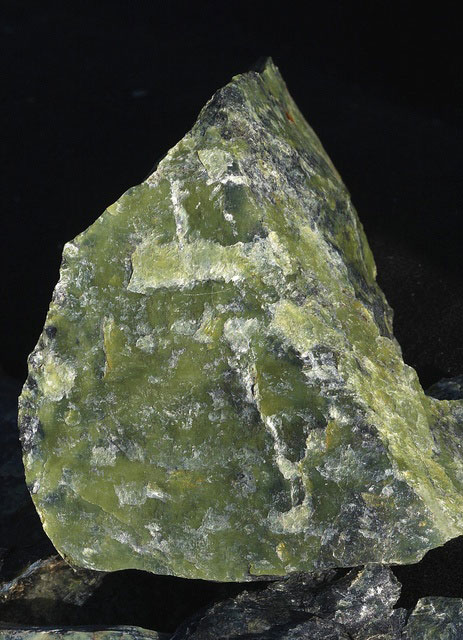
Naši prečudoviti kosi serpentina prihajajo iz izjemno bogatih in svetovno znanih metamorfnih nahajališč. Našo ponudbo skrbno dopolnjujemo z vrhunskimi, preverjenimi in povsem varnimi minerali neposredno iz Afganistana, Avstrije, Velike Britanije, Kanade, Kitajske, Cipra, Francije, Grčije, Indije, Italije, Koreje, Mjanmarja, Nove Zelandije, Norveške, Rusije in ZDA, ki nato v naši slovenski delavnici dobijo končno unikatno in sijočo obliko.
🪐 Serpentin in horoskop
Serpentin s svojo prefinjeno, prilagodljivo in globoko pomirjujočo zeleno energijo najbolj močno vibrira in prinaša energijsko podporo naslednjemu astrološkemu znamenju:
Dvojčka ♊.
🎁 Koda za vaš popust: moirai26
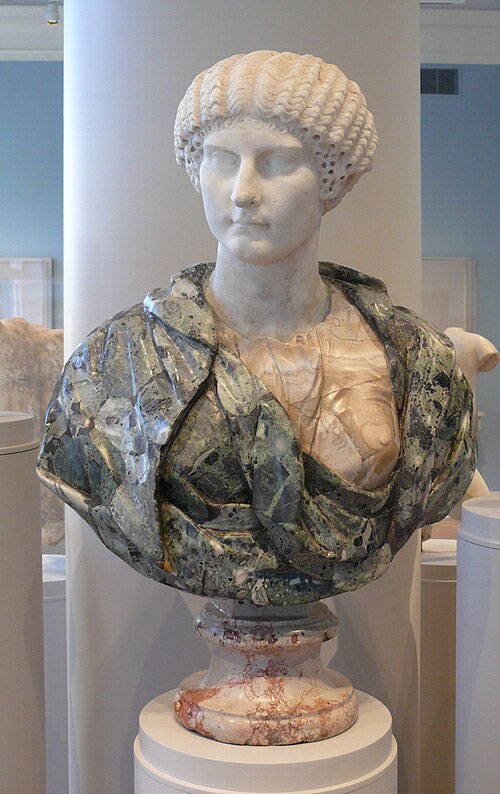
Ker vemo, da si kristal sam izbere svojega lastnika, vas ob zaključku nakupa čaka darilo. Uporabite kodo moirai26 in prejmete 10 % POPUST na celoten spletni nakup! (Koda je veljavna do 31.12.2026).
Ob nakupu nad 40 € vam podarimo brezplačno poštnino po vsej Sloveniji, vaš izbrani serpentin pa bo varno zapakiran v estetski darilni embalaži z opisom pomena prispel na vaš naslov v roku 24–48 ur. 📦✨
👉 IZBERITE SVOJ UNIKATNI SERPENTIN IN UNOVČITE POPUST TUKAJ
🔍 Pogosta vprašanja o Serpentinu:
❓ Ali so vaši serpenti varni za nošenje?
Da, popolnoma! Kot specializirana trgovina Moirai Design se strogo zavedamo razlik znotraj te skupine mineralov. Vlaknatih krizotilnih oblik (azbesta), ki so zdravju škodljive, sploh ne vključujemo v ponudbo. Naš nakit in unikatni kosi so izdelani izključno iz vrhunskega, masivnega in popolnoma varnega antigorita (plemenitega serpentina), tako da ga lahko brez kakršnih koli skrbi nosite neposredno na koži.
❓ Kako lahko energijsko očistim in napolnim svoj serpentin?
Ker je serpentin mehak in občutljiv na kisline, ga nikoli ne čistite z agresivnimi sredstvi. Fizično ga na hitro splaknite pod tekočo mlačno vodo z malo nežne milnice in ga takoj obrišite z mehko krpo. Energijsko pa se najlepše napolni tako, da ga čez noč postavite na nežno svetlobo polne lune, na primer na okensko polico, daleč stran od vročine.
❓ Ali ponujate tudi popravila in predelavo nakita iz serpentina?
Seveda! Ker imamo lastno specializirano delavnico za obdelavo mineralov, vam z veseljem priskočimo na pomoč. Če se vam je vaš unikatni obesek ali zapestnica poškodovala, ali pa imate doma svoj surovi kos dragocenega antigorita, vam ga v naši delavnici strokovno prevrtamo, obrusimo, spoliramo ali vpletemo v čudovito unikatno kreacijo po vaši meri.
** Uredba in medicinski pridržek: Navedene zdravilne in metafizične lastnosti kamnov so zbrane iz več različnih virov in so na voljo le kot informativna vsebina, ne pa za diagnosticiranje ali zdravljenje bolezni. Pri zdravstvenih težavah se vedno posvetujte z zdravnikom. Moirai.si ne jamči popolne veljavnosti navedenega.**