🧼 Vodnik po čiščenju srebra: Kako vrniti sijaj vašemu najljubšemu nakitu
✨ Odkrijte, zakaj srebrni nakit potemni, kako ga varno očistiti doma in kako zaščititi dragocene poldrage kamne
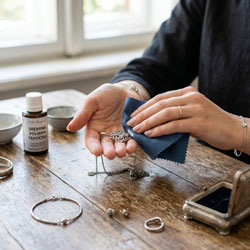
Dobrodošli v specializiranem vodniku, ki bo vašemu cenjenemu srebrnemu nakitu vrnil tisti prvotni, zrcalni lesk. Srebro je čudovita, žlahtna in večna kovina, ki pa skozi čas naravno reagira z okolico. Ste opazili, da je vaša najljubša verižica, prstan ali zapestnica oksidirala, potemnela ali celo popolnoma počrnela? Brez skrbi – to je povsem običajen kemijski proces. Ko srebro oksidira, ga je z ustreznimi metodami izjemno enostavno očistiti. Vendar pa zahteva srebrn nakit, ki je okrašen s pravimi poldragimi ali dragimi kamni, biseri in školjkami, posebno skrb. Agresivna čistila lahko občutljive kristale trajno poškodujejo.
V tem vodniku boste spoznali varne, hitre in preizkušene trike, s katerimi bo vaš nakit ponovno zasijal, vaši kristali pa bodo ostali popolnoma varni.
👉 PREGLEJTE NAŠO PONUDBO PROFESIONALNIH KRPIC ZA ČIŠČENJE SREBRA
⚠️ Zakaj srebro potemni in kako se izogniti oksidaciji?
Na hitrost in intenzivnost temnenja srebra (tudi rodiniranega) vpliva veliko vsakdanjih dejavnikov iz našega okolja in telesa:
- Povišana telesna temperatura in zakisanost telesa.
- Kozmetični izdelki: kreme za telo, laki za lase, ličila in parfumi.
- Vlažnost zraka, mila, klor v bazenih in močne kemikalije.
💡 Zlati nasveti za vsakodnevno nošenje nakita:
- Zadnji gor, prvi dol: Ko se urejate, si nakit nadenite povsem na koncu (po nanosu ličil, parfumov in laka za lase) in ga ob slačenju snemite najprej.
- Izogibajte se vlagi: Nakit obvezno snemite pred tuširanjem, plavanjem v bazenih ali morju ter pred čiščenjem z gospodinjskimi kemikalijami.
- Frizerski saloni so sovražnik srebra: Med barvanjem ali nego las v salonih nakit raje pospravite, saj zaradi agresivnih hlapov srebro lahko dobesedno počrni v nekaj minutah.
- Nakit med spanjem počiva: Med spanjem se vaše telo regenerira in poti, zato nakit pred spanjem vedno odstranite.
- Pravilno shranjevanje: Nakit hranite na suhem in hladnem mestu v ločenih prostorih ali zaprtih plastičnih vrečkah, da preprečite nenehen stik z zrakom in vlago.
💎 1. Najbolj varna metoda: Profesionalne polirne krpice Moirai Design
Srebro je mehka kovina, zato zahteva izjemno nežno nego. Poliranje s profesionalnimi krpicami je edina metoda, ki je 100 % varna za nakit, ki vsebuje poldrage kamne.
✨ Naša ponudba za trajen lesk vašega nakita:
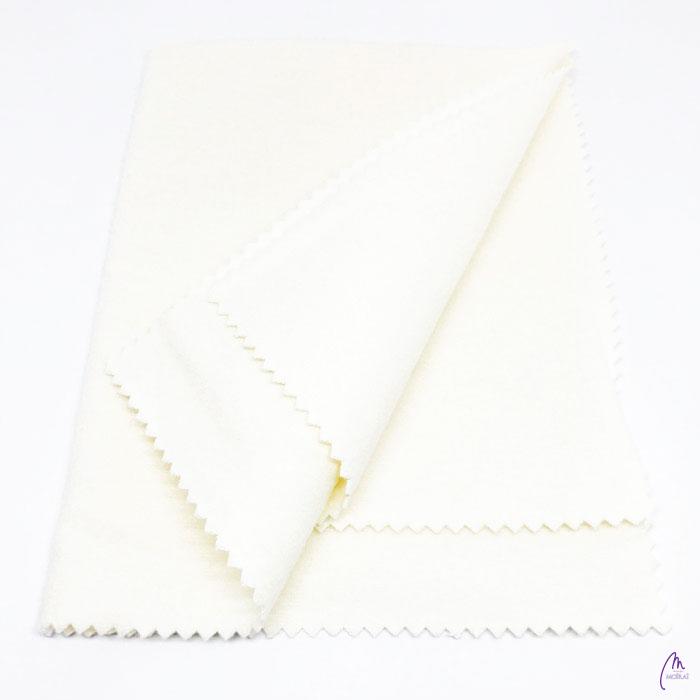
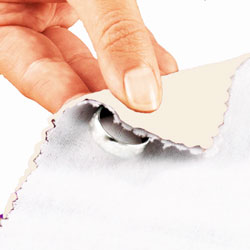
1. Krpa za čiščenje in poliranje (srebra, zlata, bakra, medenine): Narejena je iz 100 % čistega bombaža in impregnirana s posebno formulo, ki instantno očisti, spolira ter na površini ustvari dolgotrajen zaščitni sloj. Nakit nežno čistite v ravnih gibih (nikoli krožnih, saj lahko krožni gibi povzročijo drobne odrgnine). Krpe nikoli ne umivajte, saj s tem izgubi svojo čistilno formulo!
👉 NAROČITE SVOJO POLIRNO KRPICO Z 10% POPUSTOM TUKAJ
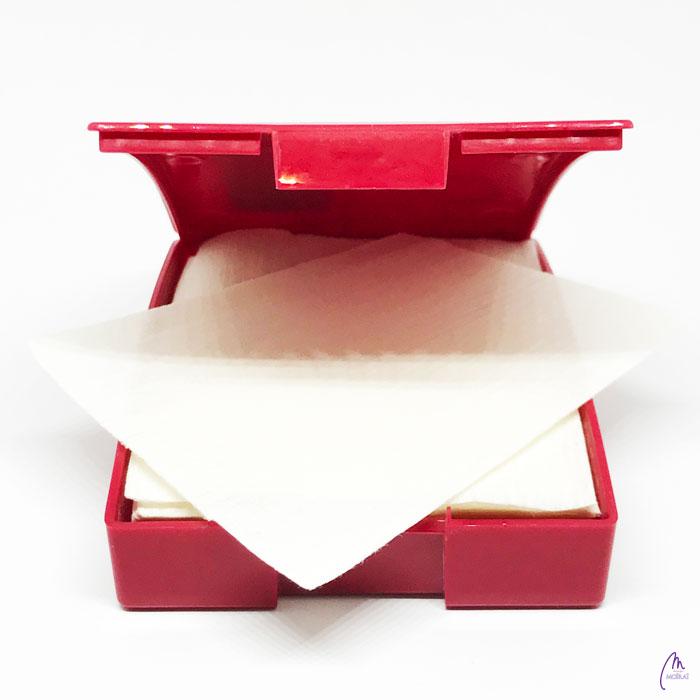
2. Komplet 25 krpic za enkratno varno čiščenje: Popoln komplet za hitro in učinkovito poliranje srebra, zlata, ur in kamnov. Krpico nežno podrgnite po nakitu, nakit obrišite s suho mehko krpo, krpico pa po uporabi preprosto odvrzite. Oksidacija, ki se nabere kot črn sloj na krpici, se lahko prenese na prste – v tem primeru si roke enostavno umijte z milom.
👉 NAROČITE KOMPLET 25 POLIRNIH KRPIC Z 10% POPUSTOM TUKAJ
🧪 Druge domače metode za čiščenje čistega srebra
Pozor: Spodnje tri metode (čistila, soda in ultrazvok) so primerne le za masivno srebro brez kakršnih koli kamnov, biserov ali školjk, saj te metode lahko povzročijo razpoke ali razbarvanje kristalov!
1. Kemična čistila za srebro
Tekočine ali paste, v katere srebro potopite za približno 5 minut (odvisno od proizvajalca), nakit nežno skrtačite z mehko zobno ščetko in sperete pod toplo vodo.
2. Metoda s sodo bikarbono in folijo
Na dno steklene ali plastične posode položite aluminijasto folijo, nanjo položite srebrn nakit (ki mora biti v neposrednem stiku s folijo) in ga potresite s sodo bikarbono. Vse skupaj prelijte z vrelo vodo. Kemijska reakcija bo ustvarila mehurčke, ki bodo odstranili temen sloj. Nakit nato sperite pod toplo vodo in obrišite do suhega.
3. Ultrazvočni čistilniki
Naprave, ki s pomočjo zvočnih valov iz nakita odstranjujejo umazanijo, maščobo in ostanke mil.
✨ 5. Kako varno očistiti posrebreni nakit?
Posrebreni nakit ima le izjemno tanko plast pravega srebra, naneseno na neplemenito osnovno kovino. Zaradi tega je ta prevleka občutljiva in za posrebren nakit nikoli ne uporabljajte polirnih krp za masovno srebro ali grobih čistil, saj lahko prevleko trajno opraskate ali obrabite. Hranite ga v suhem prostoru (plastična vrečka dela čudeže).
🟢 Metoda A: Nežno vsakodnevno čiščenje
- 1. korak: V skledici zmešajte mlačno vodo in 1 čajno žličko blagega mila brez parfumov.
- Step 2: Mehko krpo pomočite v milnico in nežno, brez močnega drgnjenja očistite nakit, potopljen v skledici. Nakit dobro sperite pod tekočo vodo in ga obrišite s čisto, suho krpo.
🔵 Metoda B: Globje čiščenje posrebrenega nakita (Vsaka 2 meseca)
- 1. korak: Dno posodice v celoti prekrijte z aluminijasto folijo.
- Step 2: Dodajte kuhinjsko sol, sodo bikarbono in dovolj vroče vode, da se prah popolnoma stopi in da bo nakit kasneje prekrit.
- 3. korak: Nakit položite v raztopino neposredno na folijo. Reakcija žvepla s folijo bo povzročila, da bodo črni in rumeni kosmiči nečistoč začeli odstopati in plavati na vodi.
- 4. korak: Po 10 minutah (ko nečistoče izginejo) nakit odstranite, ga temeljito sperite pod mlačno vodo in osušite z mehko krpo.
👉 ŽELITE PREVERITI NEGO ZA SPECIFIČEN KAMEN? KLIKNITE NA NAŠ SEZNAM OD A DO Ž
🎁 Koda za vaš ekskluzivni 10% popust: moirai26
V spletni trgovini Moirai Design že vse od leta 1999 skrbimo za lepoto in energetsko čistočo vaših dragocenih dodatkov. Ob zaključku nakupa katerega koli izdelka ali polirnih pripomočkov uporabite kodo moirai26 in prejmete 10 % POPUSTA na celoten spletni nakup! (Koda je veljavna do 31.12.2026).
Ob nakupu nad 40 € vam podarimo brezplačno poštnino po vsej Sloveniji, vaši izbrani čistilni pripomočki ali unikatni nakit pa bodo varno zapakirani prispeli na vaš naslov v roku 24–48 ur. 📦✨
👉 VSTOPITE V TRGOVINO MOIRAI DESIGN IN VRNITE SIJAJ SVOJEMU NAKITU