
History
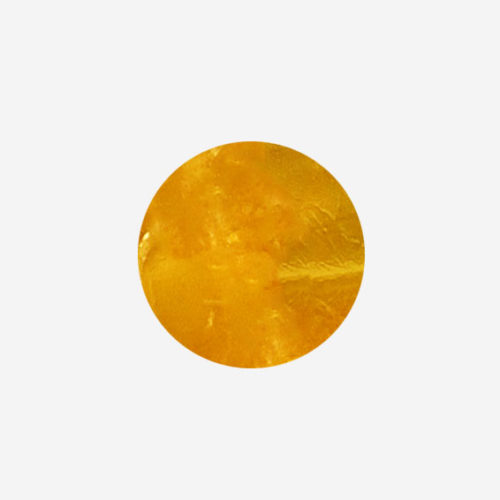
- Amber is a 50-million-year-old fossil tree resin from prehistoric pine forests. It often contains fossilised insects, mammal hair and other organic matter. Pieces of amber containing these substances are usually more valuable than those without (especially if the whole organism has been preserved). Most Amber comes from the seabed. Amber used to be picked up on the beach when the sea washed up. Amber that has been in the sand for a long time is usually dull, dirty and contains traces of sand, so it must be polished.
- Synonyms, old names, trade names: Burmit, Gagat, Jet, Simetit...
Medicinal * Metaphysical properties
- asthma, pain, bronchitis, frigidity, cartilage, impotence, liver, cough, bones, kidneys, bladder, calmness, negative energy, determination, whooping cough, lungs, courage, metabolism, wounds, tooth and bone growth, rheumatism, self-confidence, joints, mucous membranes, memory, heart, happiness, stress, ears, viral infections, spleen, fever, teeth, stomach, nerves, nervous system...
- It reduces pain and negative energy and transforms it into healing energy. Amber is said to attract disease from the body and help rejuvenate cells and tissues. It accelerates the body's ability to heal itself. It is said that Amber should be used in the treatment of kidney, bladder and lymph node cancers.
Amber for baby? Why?
- Amber is a natural painkiller. Our body heat triggers the discharge of its oil, which helps children relax during the growth of milk teeth. It has been used for this purpose for many decades in Europe. It is an excellent substitute for other pain-relieving medicines. Infants/toddlers have experienced a significant reduction in pain symptoms during tooth growth when wearing an Amber necklace.

** The healing and metaphysical properties of the stones listed are compiled from several different sources. The information is provided as a service only and not for the treatment of disease. Moirai.si does not guarantee the full validity of the information provided.
Fake Amber?
There are many counterfeit Ambers. Most are made from the following materials:
- Celluloid - lit Celluloid has the smell of burnt plastic. If your Amber smells like plastic, it is probably a fake made from Celluloid. Celluloid is not as flammable as Amber.
- Kopal - is a younger form of tree resin and is very similar to amber. Kopal melts at higher temperatures and has a very sweet smell. Amber melts at 150oC.
- Glass – it is more rigid and cannot be scratched by metal. Glass reflects light and shatters if thrown on the floor.
- Casein - is made from milk. It is heavier and very similar to plastic. If burnt, it smells like burnt plastic.
- Phenolic resin - has exactly the same shape and colour as Amber. If you burn phenol resin and it does not have a resinous smell, it is most likely a fake.
TEST YOUR AMBER:
- 1. Visual test of Amber: Real Amber is unique in its appearance. Some common imperfections are small cracks or small air bubbles. Amber cells should vary little and the shape should not always be round, unless the amber is polished. The touch of the Amber itself should be just a little warm, which is not the case with most other fakes.
- 2. Salt water test: For this test, you need about 7 teaspoons of salt and a medium cup of water. Add the salt to the water and stir well to melt it completely. Drop the amber into the prepared salted water. A real Amber should float in this water, whereas most fakes will sink quickly. The main disadvantage of this test is that it is not suitable for testing jewellery that has some metal or other components in it.
- 3. Rub test: One of the simplest ways to distinguish Amber from fakes is the rub test. Real Amber has electrostatic properties and can attract fine dust, small pieces of paper or even hair. Rub the amber against a cloth, wool or tissue for 20-60 seconds. If your hair is attracted to the Amber after rubbing, this means that static has been created and your Amber is most likely real.
- 4. Warm needle test: To perform this test, you need to heat the needle and push it towards the Amber. If the needle stuck into the Amber very slightly or if there were a few cracks, it is most likely a real Amber. You should notice a smell similar to tree resin in real Amber. When you do a test with a fake, you will very easily push the needle into it and you will notice a plastic smell. The main disadvantage of this test is that a small mark may be left by the hot needle.
- 5. The crack test: Real Amber has a hardness of approximately 2-2.5 on the Mohs scale. Scratching with a fingernail on Amber does not cause scratches. If you notice a scratch on your Amber in this test you have a fake. If you use metal to scratch, the scratch on the Amber will be noticeable. On fakes made of glass the scratch will not be noticeable.
- 6. Smell test: For this test, you need to know the difference between the smell of Kopal and the smell of Amber. The smell of real Amber is stronger than that of Kopal. In case you have a fake that is made of a different material you will notice the smell of plastic.
- 7. Feeling test: Real Amber is light and slightly warm to the touch. Glass fakes are heavier and cooler.
- 8. Hardness test: By performing this test, you can tell immediately whether Jantar is real or not. Real amber is relatively soft. Most fakes are either a hard solid or have a plastic feel to the touch.
- 9. UV test: You will need a UV lamp for this test. If you place the Amber under UV light, you will see a blue or green colour. If you see other colours in the test, your Amber is a fake.
- 10. Heat test: Natural Amber contains tiny bubbles in its microscopic structure. When heated, these bubbles evaporate and the result is a more translucent Amber. When higher temperatures are applied, the Amber becomes darker.
- 11. Lysal test: When you lick real Amber, you don't taste it. Plastic and polymer fakes leave a plastic taste in our mouths.
- 12. Acetone test: Kopal and plastic fake amber can be dissolved with Acetone and Alcohol. Just a small drop of Acetone makes the surface sticky. On real Amber, Acetone will evaporate and leave no residue. If you do this test on Kopal you will notice a white spot.
Features of the mineral
| Chemical composition | C12H20O - C80H120O5 |
| Colour | soft yellow-brown, red, colourless, white, blue, black, green |
| Hardness (Mohs) | 2-2.5 |
| Density | 1.05-1.30 |
| Refractive index | 1.540 |
Origin and sources of the mineral

- Poland, Germany, Russia, Sicily, Romania, Mexico, Dominican Republic, USA...
Care
- Amber is a very delicate mineral and needs to be cared for very gently. It scratches quickly and is very sensitive to chemicals, acids, perfumes and alcohol. It is also flammable and can ignite with direct flame. Steamers, hot water and ultrasonic cleaners can damage this gem. To clean Amber, use mild soap, cold water and a soft cloth.
- When storing stone jewellery or the stones themselves, it is best to place them in a fabric-covered box or wrap them in cloth separately from other stones to prevent damage and scratches. It is advisable to remove the jewellery during major physical activities such as gymnastics or sports. Avoid spraying perfume and hairspray directly on your jewellery and stones.
For 10% Use the code for a discount when buying online: moirai26 (koda je veljavna do 31.12.2026)!
Horoscope

- Leo, Aquarius, Virgo